Strategic Nuances and Dynamic Evolution: The Rise of Bug-Type Pokémon in Pokémon Go
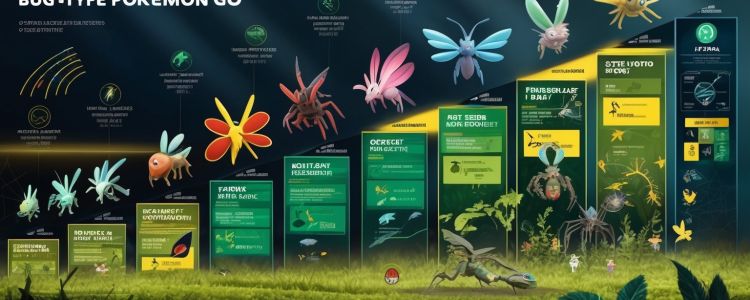
The world of Pokémon Go offers a a varied ensemble of characters, each boasting its own unique qualities strengths and nuances. Bug-type Pokémon occupy a unique niche, known for their early game versatility and rapid evolution, yet with subtle trade-offs in overall power. This investigation explores a diverse range of aspects of… Bug-type Pokémon, from their strategic importance in gameplay to their visual appeal and resource management. Through examining both the mechanics and aesthetics of these creatures, trainers can gain insight into optimizing their teams and making informed decisions about which Bug-types to nurture and deploy in battles. This detailed look aims to present an engaging perspective without relying on standard summaries or predictable recaps.
Fundamentals of Bug-type Pokémon
Bug-type Pokémon represent a distinctive branch within the diverse ecosystem of Pokémon Go. They exhibit traits that make them especially effective in the early phases of a trainer's journey. Their ability to evolve at relatively low levels often means that players can quickly field a competitive team without investing too many resources into lengthy training sessions. However, these Pokémon traditionally have lower base stats compared to some of the other types, which is balanced by their speed and ease of development. The absence of Legendary Pokémon in this category further emphasizes the importance of strategic resource allocation. This branch encourages a focus on agility and tactical planning, making each battle a test of timely evolution and smart team composition.
The Edge of Early Game Utility
Many Bug-type Pokémon become invaluable during the initial stages of gameplay due to their rapid evolutionary processes. For new trainers, this early availability provides a notable advantage. Early evolution allows these Pokémon to unlock improved moves, giving them an edge over opponents in timely challenges. Their quicker progression can often be the difference between overcoming initial hurdles and lagging behind more advanced opponents. Despite their comparatively modest final statistics, the speed of maturation and adaptability offers strategic benefits. Players often appreciate the low entry barrier associated with these characters, allowing them to experiment with team formations and attack strategies that transcend mere brute strength, focusing instead on agility and efficient type matches in battle scenarios.
Dynamics of Evolution and Stats
Evolution plays a pivotal role in defining the competitive landscape for Bug-type Pokémon. Although these creatures begin with lower base stats, the evolution process compensates by offering a boost in their performance and introducing more refined moves. This evolutionary journey is less about raw power and more about adaptability and versatility. By evolving early, trainers can bypass many of the costs typically associated with cultivating high-stat Pokémon. This encourages experimentation with different builds and formations, letting players decide how to best use their resource investments, such as Candy and Stardust, for optimal returns. Each evolution is a careful balancing act, where swift development meets long-term sustainability in the strategic realm of Pokémon Go.
Super-effective Matchups and Type Advantages

The inherent design of Bug-type Pokémon is strategically aligned with several key matchups in Pokémon Go. They are super-effective against Dark, Grass, and Psychic types, which provides a tactical advantage when facing opponents that rely on these categories. This effectiveness is crucial in challenging battles where knowing the enemy's weaknesses can turn the tide. By pursuing a team with Bug-type Pokémon, trainers can plan their engagements with a clear understanding of the type dynamics at play. The edge in these confrontations makes Bug-types a popular choice for players looking to gain a competitive advantage. The careful study of these dynamics allows for a more nuanced approach to strategy, where preparation and anticipation are rewarded with decisive victories on the battlefield.
In-depth Analysis of Non-Legendary Champions
Within the Bug category, the absence of Legendary Pokémon places a stronger spotlight on non-Legendary champions. This means that the true potential of Bug-types is often realized through careful selection and deliberate development of individual creatures. Each non-Legendary Pokémon brings a mix of unique abilities and tailored moves that can be optimized for different scenarios. Trainers must navigate the trade-offs between rapid evolution and long-term effectiveness. Detailed analysis and experimentation are key to determining which Pokémon will best complement a battle strategy. As players progress in their adventures, focusing on these non-Legendary varieties becomes essential, as they offer a reliable foundation without the complexities and demands of leveling up the Legendary kind.
Resource Management and Investment Considerations
One of the defining challenges in Pokémon Go is managing the scarce resources available to trainers. Bug-type Pokémon, with their early evolutionary advantage, demand a strategic allocation of resources such as Candy and Stardust. While these Pokémon require less initial investment to evolve, maximizing their potential involves judicious use of in-game resources. Each decision to train or power up a Bug-type character should be evaluated against the likelihood of future success in competitive matches. This mechanic encourages trainers to weigh immediate benefits against long-term growth, making budgeting a critical aspect of gameplay. The art of resource management is integral to success, as efficient investments often yield a more responsive and adaptable team ready to exploit type advantages in any confrontation.
Aesthetic Charm and In-Game Visual Appeal
Visually, Bug-type Pokémon bring a unique charm and diversity to the Trainer's collection. Their designs often blend whimsical elements with subtle nods to the natural world, setting them apart from other types. The aesthetic appeal contributes not only to the pleasure of collection but also to in-game identification during fast-paced encounters. Many of these characters feature creative color palettes and intricately designed animations that elevate the gaming experience as a whole experience. Such artistic choices reinforce the personality of each Bug-type, highlighting traits that resonate with fans. The blend of artistic design and functional utility makes them come alive in every battle, where their visual characteristics translate into a dynamic presence that enhances both engagement and strategic planning.
Strategic Role in Trainer Battles
Bug-type Pokémon occupy a specific strategic niche during competitive encounters in Pokémon Go. Their inherent type advantages and quick evolution make them well-suited to disrupt opponents' formations and execute tactical maneuvers. Trainers who understand the timing of deploying these characters in battles find themselves with a significant strategic advantage. The unpredictable nature of battle scenarios means that the versatility of Bug-types can often serve as the unexpected twist in a well-laid plan. Smart deployment, combined with the specific strengths of these Pokémon, can overwhelm enemy defenses. Every battle becomes a measured test of both preparation and adaptability, where the subtle interplay of moves and type effectiveness can turn the course of an encounter "in approaches that are equally demanding and rewarding".
Event-Driven Encounters and Special Opportunities
Pokémon Go is known for its dynamic events, and Bug-type Pokémon often feature prominently in such occasions. Special events like fall marathons and seasonal challenges bring rare encounters, where Bug-types are highlighted among competitors. These events are designed to provide trainers with exclusive opportunities to catch or evolve these Pokémon, thereby reinvigorating the thrill of discovery and team customization. Seasonal events drive engagement and introduce temporary mechanics that further emphasize the strengths of Bug-types. Players need to remain vigilant, tracking in-game calendars and event schedules to maximize their chances of obtaining these beneficial characters. This integration of time-sensitive events with strategic elements transforms each event into a unique challenge where the right Bug-type can become a game-changing asset.
Adaptive Gameplay and In-Game Mechanics
Adaptive gameplay is a key factor in Pokémon Go, and Bug-type Pokémon significantly contribute to this dynamic environment. The game encourages "allowing players to recalibrate their tactics on the fly.", taking advantage of the evolution potential and type-specific benefits these Pokémon offer. Whether facing a move-rich enemy or adapting to unforeseen challenges, Bug-types allow for quick shifts in battle tactics. They are especially valuable when used to counter opponents whose defensive strategies are based on exploiting standard weaknesses. This adaptability makes them a reliable component in any balanced team composition. The interplay between rapid evolution and tactical depth fosters a setting where every move counts, challenging trainers to think critically and adjust their play styles on the fly to encompass both offensive and defensive strategies.
Balancing Act in Game Progression and Utility
Integrating Bug-type Pokémon into a well-rounded team is a balancing act that tests a trainer's capacity to manage both immediate needs and long-term progression. While these Pokémon offer quick access to evolved forms and enhanced moves, they sometimes require careful balancing with other types to address inherent limitations. The strategic decision-making involved in training and evolving Bug-types speaks to the broader challenges of game progression in Pokémon Go. Each Pokémon "should be evaluated not solely for its immediate" combat value but also its contribution to an overall strategic mosaic. This constant balancing of attack potential, resource investment, and evolution timing is a microcosm of the game itself, where every decision It holds its own importance and has the potential to exert considerable influence the path of a trainer's journey.